
In modern industrial operations, efficiency and reliability are non-negotiable. Accurate proximity sensor tests have emerged as a cornerstone of predictive maintenance and operational excellence, providing industries with the precision and confidence needed to optimize processes and minimize downtime.
Enhancing Predictive Maintenance
Proximity sensors play a pivotal role in monitoring equipment health. Accurate testing ensures that these sensors deliver consistent and precise readings, forming the foundation for predictive maintenance strategies.
- Early Detection of Issues – Precise sensor tests help identify potential mechanical or electrical faults before they escalate, allowing timely interventions.
- Reduced Unplanned Downtime – By predicting maintenance needs accurately, industries can schedule repairs strategically, minimizing costly operational interruptions.
- Optimized Resource Allocation – Maintenance teams can focus efforts where they are most needed, avoiding unnecessary inspections and part replacements.
Driving Operational Excellence
Operational excellence is achieved when systems run seamlessly, with minimal errors and maximum efficiency. Accurate proximity sensor tests are crucial in achieving these outcomes.
- Enhanced Machine Precision – Well-tested sensors ensure machines operate within exact tolerances, improving product quality and reducing defects.
- Consistent Production Performance – Reliable sensor readings prevent unexpected stops, supporting smooth and continuous production cycles.
- Energy Efficiency Gains – Properly calibrated sensors help equipment operate optimally, reducing energy wastage and contributing to sustainable operations.
Strengthening Safety and Reliability
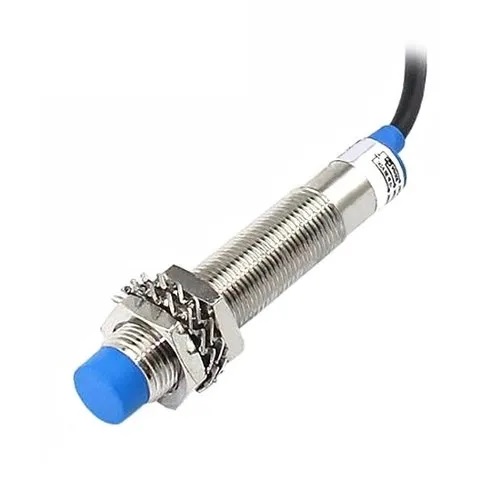
Beyond efficiency, accurate proximity sensor tests bolster workplace safety and system reliability, crucial for high-stakes industrial environments. Guides on how to check proximity sensor help beginners learn quickly.
- Minimized Risk of Accidents – Sensors that detect objects or personnel accurately prevent collisions and hazardous interactions with machinery.
- Improved System Reliability – Frequent and precise testing ensures sensors function correctly under diverse operational conditions, fostering trust in automated systems.
- Compliance and Quality Assurance – Accurate readings support adherence to industrial safety standards and internal quality protocols, reinforcing organizational credibility.
Maximizing Long-Term Benefits
Investing in accurate proximity sensor testing is not just a short-term solution; it has lasting advantages for industrial performance.
- Extended Equipment Lifespan – Early detection of irregularities prevents excessive wear, prolonging the operational life of machinery.
- Data-Driven Decision Making – Reliable sensor outputs feed into predictive analytics, enabling smarter maintenance and operational decisions.
- Continuous Improvement Culture – Organizations that prioritize sensor accuracy cultivate a proactive mindset, constantly refining processes and driving excellence.
Conclusion
Accurate proximity sensor testing is a strategic enabler for industries aiming to excel in predictive maintenance and operational performance. By ensuring precise readings, it empowers organizations to anticipate equipment needs, maintain smooth production, and enhance safety. The result is a resilient, efficient, and future-ready industrial operation where predictive maintenance and operational excellence go hand in hand.
